

Your Custom Text Here
Beast Mode Success - Banish these 5 thoughts
We know that working out is really difficult to do, especially if you are new to it or going back to a routine after some time.
Is your brain constantly judging you for making your body do things like burpees, or run at ridiculous timings?
Hang tight, don’t let the mind overcome your honest endeavors to turn your Beast Rabbit mode off.
We’ve faced these wars with our brain for decades and we’ve compiled our 5 most entertaining thoughts that cross our minds during a tough day in the gym, at home or during a run.
How many of these can you relate to? Comment & tag your friend
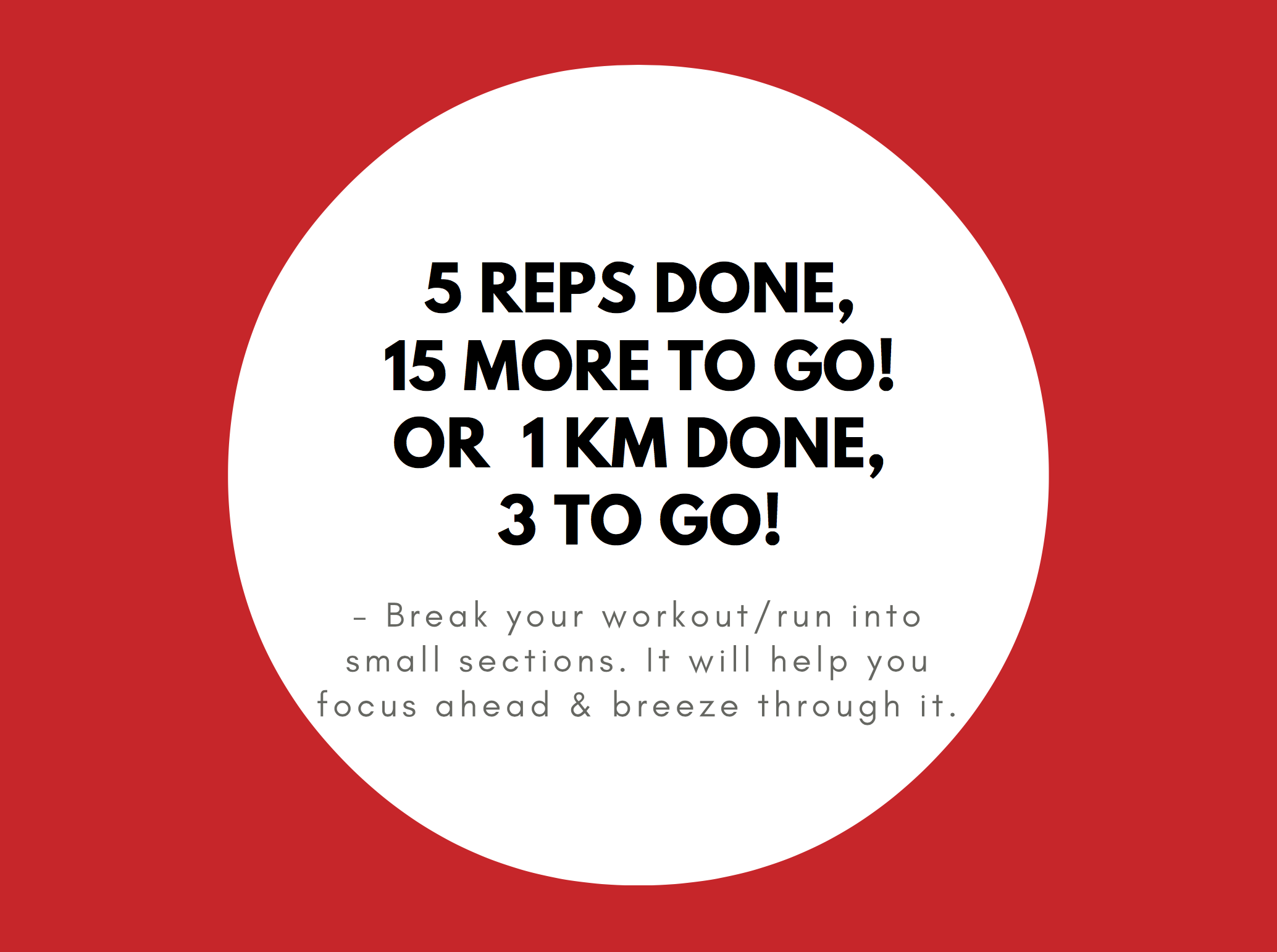
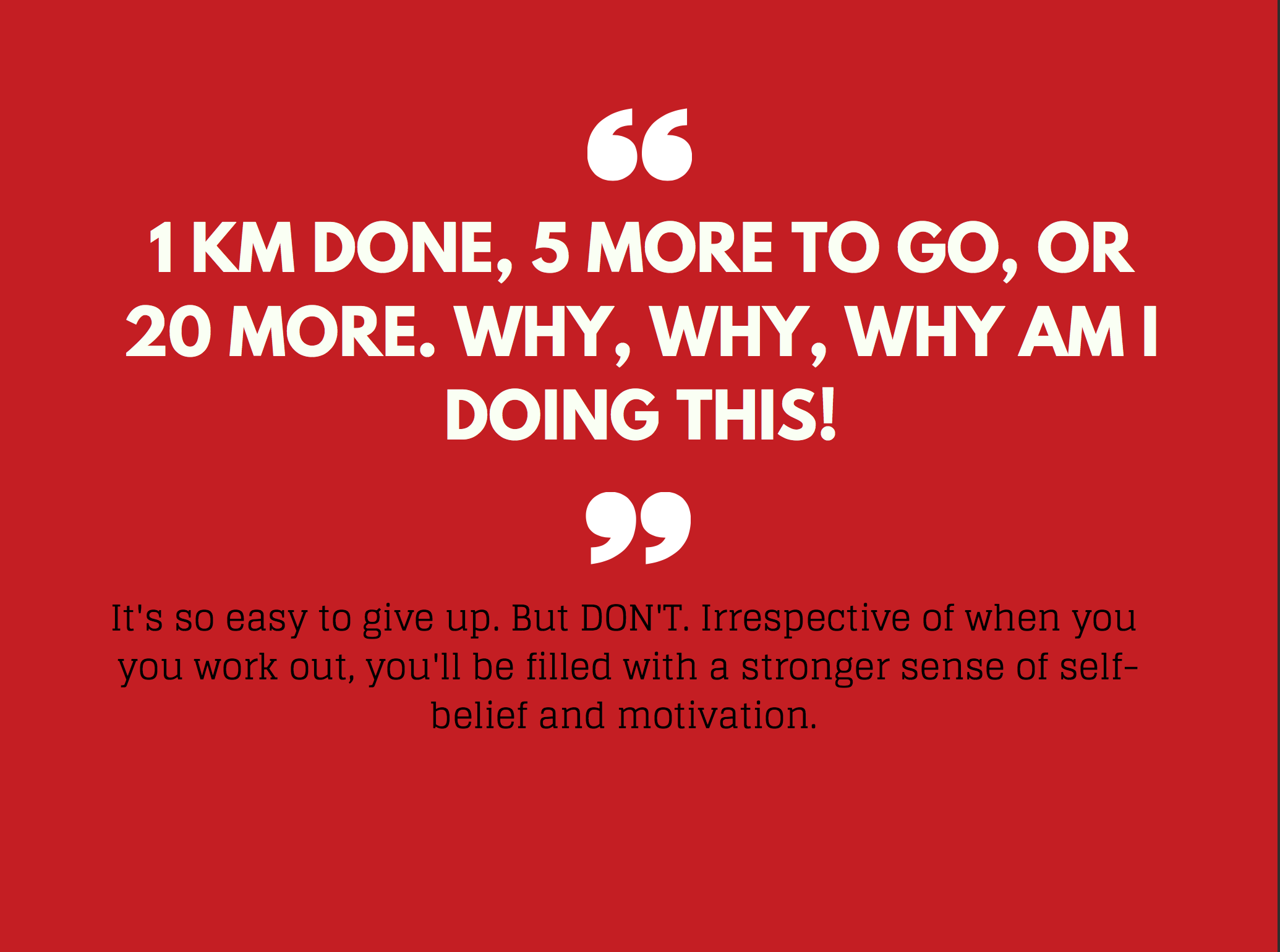
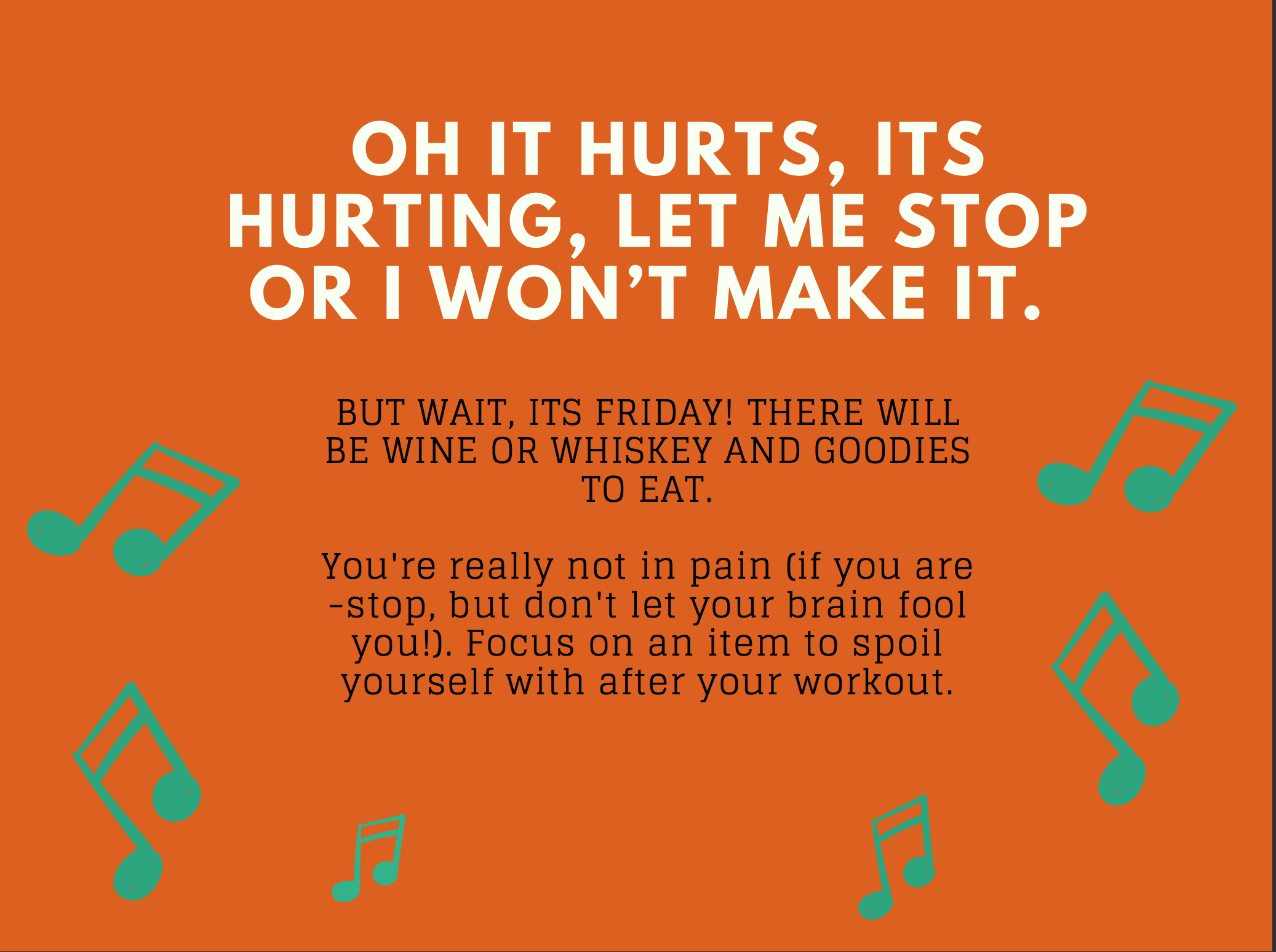
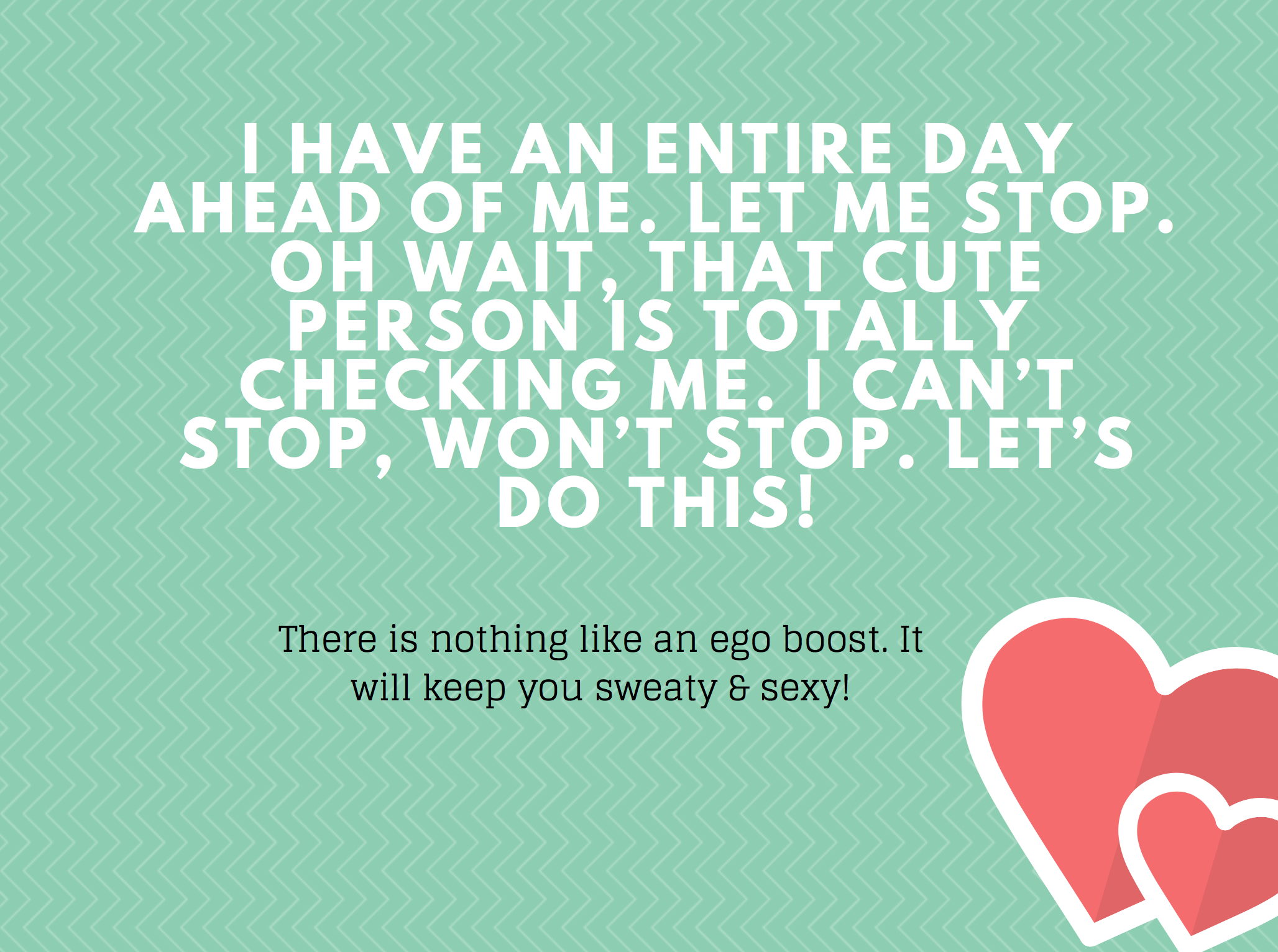
Remember, the sense of accomplishment after your 10 sets of exercises or 15 minutes on the elliptical and even 30 minutes of walking and yoga makes you feel on top of the world.
Your increased energy levels, thanks to the higher levels of insulin and serotonin, help you get into that positive frame of mind.
You begin your day or end it, depending on when you work out, with a stronger sense of self-belief and motivation.
FitRabbits, hop onwards to your next workout!

Easy hacks to unleash your fittest self!
“Try to be like the turtle - at ease in your own shell.”
Have you been keeping off your fitness goals for too long? Do you want to get started, but don’t know how? Are you too busy to get the workout you need?
If getting started is the biggest hurdle, this article might be just what you need right now.
I. Set those Goals- Be your personal warrior
Each of us has different motivations to workout. Brooke Shields once wanted legs like Steffi Graf while Madhu wanted to stay active around his 2 year old and Neha wanted to go from couch to 5K in 6 weeks.
Whatever your goal, believe in it. Define your long-term goal and then make specific, realistic and time bound short-term goals.
Short-term goals should last four to six weeks. For example- working out 3 times a week for a beginner.
Long-term goals are the end goal, spanning a few months and close to a year. Things like living healthily, lowering cholesterol, losing ten kilos or more (the right way, of course), running your first-half marathon or a marathon, etc.
Remember, that your goal has to work for you- it's your personal journey to become a better you.
Write your goals down- slap it on the fridge door, behind the bathroom door, in front of the closet, or wherever you do your morning thing.
II. Plan your activities for heart-thumping fitness
Identify your favourite fitness-related activities- is it the serenity of yoga that appeals to you, or the music thumping beats in a spinning class or just the breeze on your face during a walk or run or all of them?
Find the activity or the set of activities that get your feet moving and your energy levels up.
Figure out how you'll follow these activities. Sign up to classes, find a training plan, etc.
Set some achievable challenges during each activity. For example, if your goal is to run a 5K, start with walking for 25-30 minutes each day and vary your speed and distance as you get more active. Add a few lunges, crunches and pushups along the way.
III. Time - it's precious!
We’re all stressed for time in today’s busy life. To discover your new rabbit-self, you'll have to get into a routine. Routines slowly help form habits, and the benefits can range from stress relief to regulated blood sugar levels to lower risk of heart disease. Start young, stay young!
Decide how much time you'd like to dedicate on daily and a weekly basis.
Setting some time aside can help you stick to your routines and boost your confidence in the workout or the activity of choice.
Pick a time and stick to it. You can always add to your basic routine and mix your workout to make it more fun in future.
Research suggests adults require 30 minutes of physical activity a day. But dont worry if you cant squeeze in 30 mins in one go. Split it into 15 min sessions and you go for it!
IV. Reward yourself regularly- carrots are important.
Some people are motivated to exercise because they genuinely love it. But if you are one of those people who doesn’t, then rewarding yourself once in a while will drive your motivation to stick to your goals.
Rewards are very personal and vary from one person to the other. You can set up your own rewards and frequency.
Small(daily) rewards :
Put Rs100 in a jar every day you workout (building into a larger reward)
Watch your favourite TV show (only) on days you workout
Open WhatsApp only after you’ve finished your workout
Bite into some dark chocolate after 30 minutes of active workout
Medium (weekly, fortnightly, monthly) rewards:
Watch a movie / game
Shop for one frivolous item online
Get a massage
Eat your favourite dessert
Longterm (3, 6, 12 months) rewards :
Vacation with friends
Splurge on an outfit / watch / shoes
Indulge in a 5/7/9 course meal
Plan something with the kids (and let them know. They’ll ensure you get your workout!)
V. Clean your Diet
Studies show that not only is fast food bad for long-term health outcomes, it can also cause sluggishness, lack of motivation and reduced performance in our day to day lives.
Moving to a balanced, nutritious diet goes hand-in-hand with a good workout as it increases productivity, enhances mood and helps in losing or controlling body weight.
In India, we have plenty of healthy breakfast options like roti-subzi, poha, upma, idli-chutney etc that one can make in minutes. Add freshly chopped carrots, beans etc to make them even more interesting.
Getting started is really a mind game. Follow the process and you will start to see the results. Sometimes, pairing up with a friend, sharing your goals publicly or simply challenging yourself to a 21 day NO MISS workout could do the trick.
Do you workout regularly? What has your first experience been like? Tell us more in the comments section below!

Running Injuries & Remedies
The reality for every runner’s journey is you will hit a few snags along the way. If overlooked, these can become serious injuries that can force you to take a long break from running. However, we can easily avoid them by paying due attention to your running basics.
Here is a complete breakdown on the 5 most common running injuries:
1. Runner’s Knee or Patellofemoral Pain Syndrome (PPS)

Considered to be the most common running related injury, PPS is the pain around or behind the patella (kneecap) during or after your runs.
Cause(s) - Repetitive running/over training, biomechanical issues or muscle imbalances – weak glutes, hips, tight hamstrings, quadriceps. PPS occurs when your weak or inflexible muscles can’t control hip and thigh movement or give enough support to the patella.
Prevention - Pay greater attention to your running form, strengthening and stretching routine. Reduce your running mileage, avoid downhill running and opt for softer surfaces- treadmill, grass, elliptical training or swimming. Icing, taping and some pain killers may help.
Incorporate focussed leg strengthening workouts - at least 2 times a week.
Improve running form to shorten stride length and land with knees slightly bend.
Remember to warm-up & cool-down and also to stretch and foam roll your hip flexors.
2. Shin Splints or Medial Tibial Stress Syndrome

This injury, plagues new runners or those getting back into running. When the muscles and tendons around your shin bone (tibia) get inflamed, it causes a stabbing pain in the front/outer or inner side of your leg.
Cause(s) - Doing too much, too soon. Also, your running gait, wearing incorrect shoes for your arches (high or flat) or worn-out shoes can cause this.
Prevention - At the first sign of pain, stop running for a few days. Ice the shins for 15-20 minutes. Get a blood test as your vitamin D and calcium levels may be low. You may need to get new sneakers with better cushioning, stability or insoles that support your arches.
Remember to build mileage slowly- no more than a weekly increase of 10%.
Strength work should focus on hips, calves, core and include lateral movements.
Don’t forget to stretch your calves, hip flexors and back, too.
3. Iliotibial Band Syndrome (ITBS)

The iliotibial (IT) band is the connective tissue that stretches from the pelvic bone, along the outside of your thigh bone (femur) and connects to your knee. When the IT band gets inflamed, you will feel pain on the outside of the knee, specially while running.
Cause(s) - Sudden increased mileage, weak muscles- glutes & hips- and too much downhill running.
Prevention - Stretching, strength training and foam-rolling. You need strong gluteal muscles to stop unnecessary shifting of your pelvis and femur that causes ITBS. At the onset of pain, please stop running and spend a few days either swimming or using the elliptical trainer.
Strength train at least 2 times a week - focus on hip-abductors and gluteal muscles.
Foam rolling twice a day or daily stretching with focus on hips is beneficial.
Re-asses your running form (Get a running coach!)- Perhaps shorten your strides.
4. Plantar Fasciitis (PF)

When the connective tissue in the soles of your feet that support your arch (Plantar fascia) get inflamed, it causes pain in the arches of your feet, close to your heel. PF is usually at its worst when you get out of bed in the morning.
Cause(s) - Excessive over-pronation or supination, weak core muscles, tight hip flexors, calves and feet. Runners with very high or very low arches are susceptible. Sudden increase of mileage causes it, too.
Prevention - Rest, icing, calf rolling and stretching, and foot-strengthening exercises. Wear shoes with extra cushion and get lots of rest.
Use a frozen water bottle, tennis or golf ball to roll the balls of your feet, twice in a day (I’ve tried and tested this!).
Strength train your core, calves four times a week and stretch daily.
Recovery time can range from three months to a year, so be patient!
5. Achilles Tendonitis (AT)

When the tendon that connects the two major calf muscles to the backs of your heels, is stressed or is weakened, it causes pain (AT). Don’t ignore, as it can get very serious and may take up to six months to go away!
Cause (s) - Bad running form, rapid increase in mileage (hills and speed work) or a naturally flat foot. Runners with a weak posterior chain of muscles (calves, hamstrings, glutes), different leg lengths and other muscle imbalances are highly susceptible.
Prevention - Proper stretching, focussed strength training and the good old R.I.C.E. (rest, ice, compression and elevation) technique.
Wearing supportive shoes, especially if you severely pronate will be helpful.
Strength work should include- eccentric heel drops, calf raises, burpees, squats, lunges.
If you notice, nearly all injuries are a result of overreaching your goals and beating your body. So please pay attention to your running posture.
Yes, I’ve suffered from some of these but have managed to come back fitter and stronger.
Here is the link to tried & tested warm-up, cool-down and strength training routines.
This article was written by me for Men's Health India. It is featured there, too.

The Running Basics
Have you decided to start running or complete your first race this year?
Running well can be daunting. Worry not, here’s my list of top 6 things to ace your running & fitness routine!
Have you decided to start running or complete your first race this year?
Are you someone who has been running but struggles to achieve milestones?
First up, Congratulations! You have accomplished the most important step, that is the willingness to get out of your door!
Running well can be daunting. Worry not, here’s my list of top 6 things to ace your running & fitness routine!

1. Set small, realistic and consistent goals- Be S.M.A.R.T.
Remember, each of us has diverse body compositions, metabolism levels and athletic abilities. Irrespective of what fitness level you are at, you will need an individualised training plan to improve your cardiovascular and muscular endurance.
Completely new to running? You must define your routine yourself. Begin with making running a habit- a few minutes per day, a few times in a week. Set a 4-week goal like running your first 3 km, or if you're someone who regularly walks or works out, your goal can be to run 5 km.
A regular runner? Think about setting a big goal for the year – maybe breaking a certain time (breaking 2 hours for half marathon?), progressing longer distances from a 5k/10k? Depending on your fitness levels or goal, you’ll need to follow a 12-week or 16-week plan. If you want to get faster, your training plan should help you prepare for exactly that.
It is easy to be all gung-ho about running and want to go as fast as you can. Don't! Go slow and steady. It takes some time for all the muscles, ligaments, tendons, joints and your lungs to adjust to this new form of exercise. This is applicable to all people, across all abilities. Treat yourself when you achieve those smaller milestones- extra cheesecake, deep-tissue massage, a pizza & movie night.

2. Practice makes perfect. Build a strong base. Then, work on speed.
Your first step, should be build a strong base spanning at least 4-6 weeks. Over time, you will get less breathless and stronger. Remember, a good warm-up and cool-down are essential too!
Beginners, get into a running routine 3 days/ week. Twice a week, do shorter runs (20 to 30 mins) and on Saturday/Sunday do a longer run (40 to 60 mins or longer). It’s okay to alternate between running and brisk walking, initially. Once you find a run/walk ratio that works best for you, gradually increase your running time and decrease your walking time.
Seasoned runners, break your week into 4-6 training days.
Easy Runs twice a week at a comfortable, conversational pace for muscle recovery.
Confidence building Speed Runs at least once week. Start with a warm-up of 2-3 km of easy running and finish with a relaxed cool-down of 2-3 km. Intervals can range from 200m to 1 km, depending on the race you are training for. For 5k - 100 or 200 m; for 10k- 200-400m; for half marathon- 800m to 1km.
Long runs to improve fitness, build endurance should be done once a week. Go for distance rather than time - slow it down, be patient, and don't worry about your pace.
Cross training at least two days in a week. More info, below.
Score free training plans on the internet (Hal Higdon’s plans are popular. I followed it for my first 21km back in 2010) or hire a certified running coach in your city or online (consider me!).

3. Cross Train- don't forget your other muscles!
Runners are prone to injuries related to glutes and hip flexor weakness. So, it is important to build optimum strength, improve muscle power, eliminate any muscle imbalance and increase endurance. Activities such as swimming, yoga, pilates, body/free weight or other functional training activities are great cross training options.
If you're joining a gym, or are already part of one, weight train 2-3 times a week. Remember to use lighter weights, do more reps per set and focus on key body areas.
Do a 4 to 6 week strengthening plan with focus on your key muscle groups- core, glutes & hamstrings, shoulders, back & arms. You can switch up your routine.
If you’re unsure, seek help from a certified coach, fitness trainer or physiotherapist.

4. Nutrition & Hydration
What runners should eat and drink is the subject of many ill-informed discussions. Remember, carbohydrates and fat are primary energy sources for endurance exercises such as running. Protein plays the crucial role of recovery, as do vitamins and minerals. Consult a nutritionist for more information on a balanced diet.
Finally, staying well hydrated is VERY important to prevent dehydration and to avoid any negative effects towards your performance. Remember, your blood and other fluids help remove waste products and bring nutrients to tissues for repair. So, replacing lost fluids as quickly as possible after running, will speed your recovery.
On average, you should be drinking at least 1.9 litres per day. Depending on your training intensity and weather conditions, you need to drink up one and a half times the amount of weight you lost.
Water and carbohydrate replacement drinks containing sodium are excellent for staying hydrated.

5. Rest Up- your body will love you for it!
Top athletes like the world's fastest man Usain Bolt vouch that sleep is an extremely important part of training. Your body needs to recuperate and will thank you by being injury free.
Dedicate one day per week for total and complete rest.
Consider investing in a foam roller. Foam rolling helps minimise your body's aches and pains by addressing the layers of connective tissues, called fascia, that surround all the muscles in our body. This helps increase your range of motion, lower risks to injury and improves recovery time.
As I have mentioned before, remember to eat a balanced diet consisting of healthy fruits, vegetables, whole grains, meats and stay hydrated!

6. Stay motivated, join a running group in your city.
The power of running groups is incredible. Since running is for runners and runners are such social beings, a running group helps with training and sharing the joys (aches, cramps & sweat, too) of finishing that race. It is fairly easy to find one. I, personally, totally love the Adidas Runners- a global community currently in the cities of Mumbai, Delhi and Bangalore in India. It’s free, it’s fun and it’s wonderfully empowering.
In conclusion, remember to enjoy the process. Be patient with yourself and your body. Believe in the process, believe in yourself. Happy Running!
[1]http://dx.doi.org/10.1016/j.jacc.2014.04.058

Top 5 Habits of FitRabbits

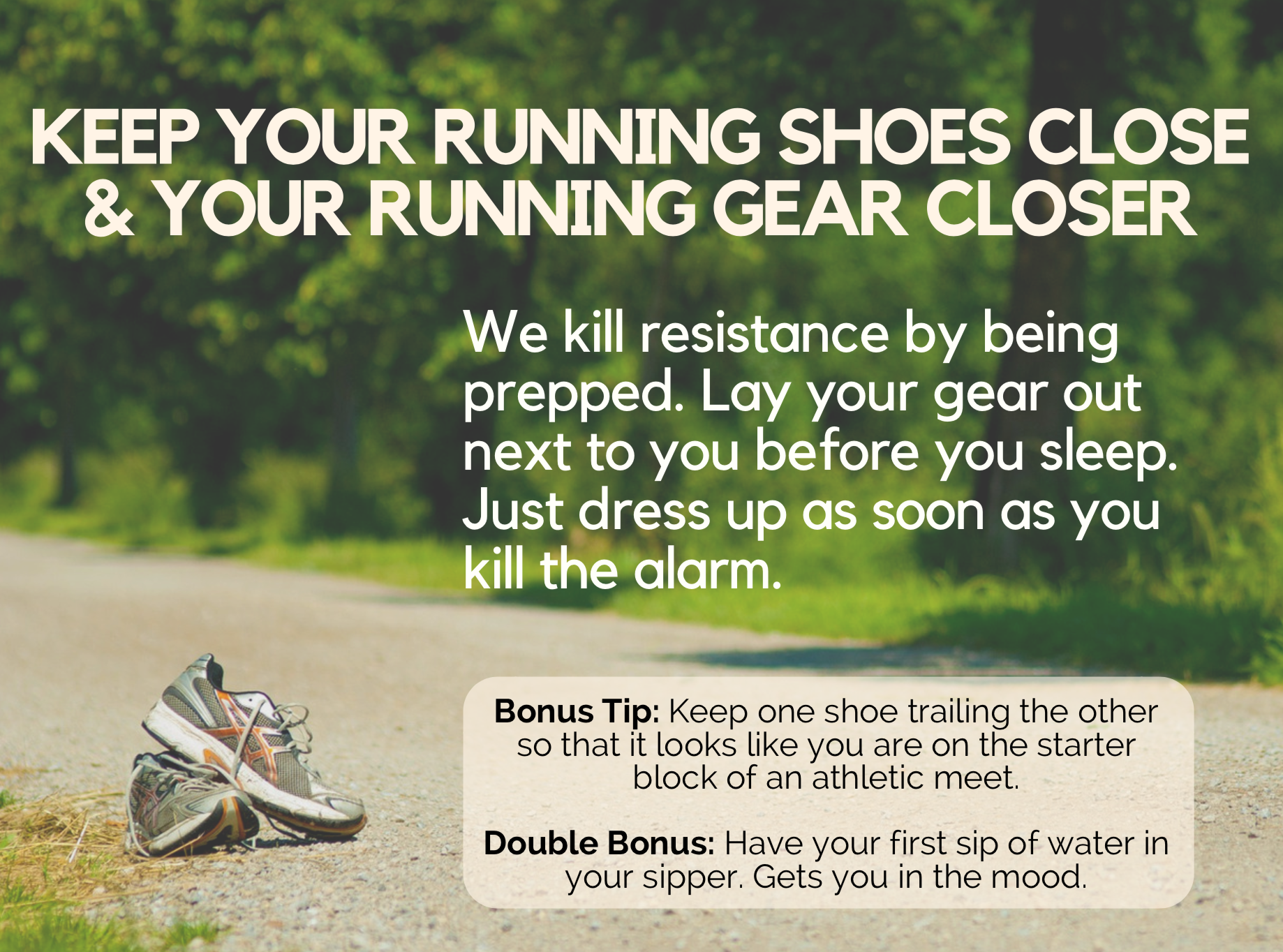
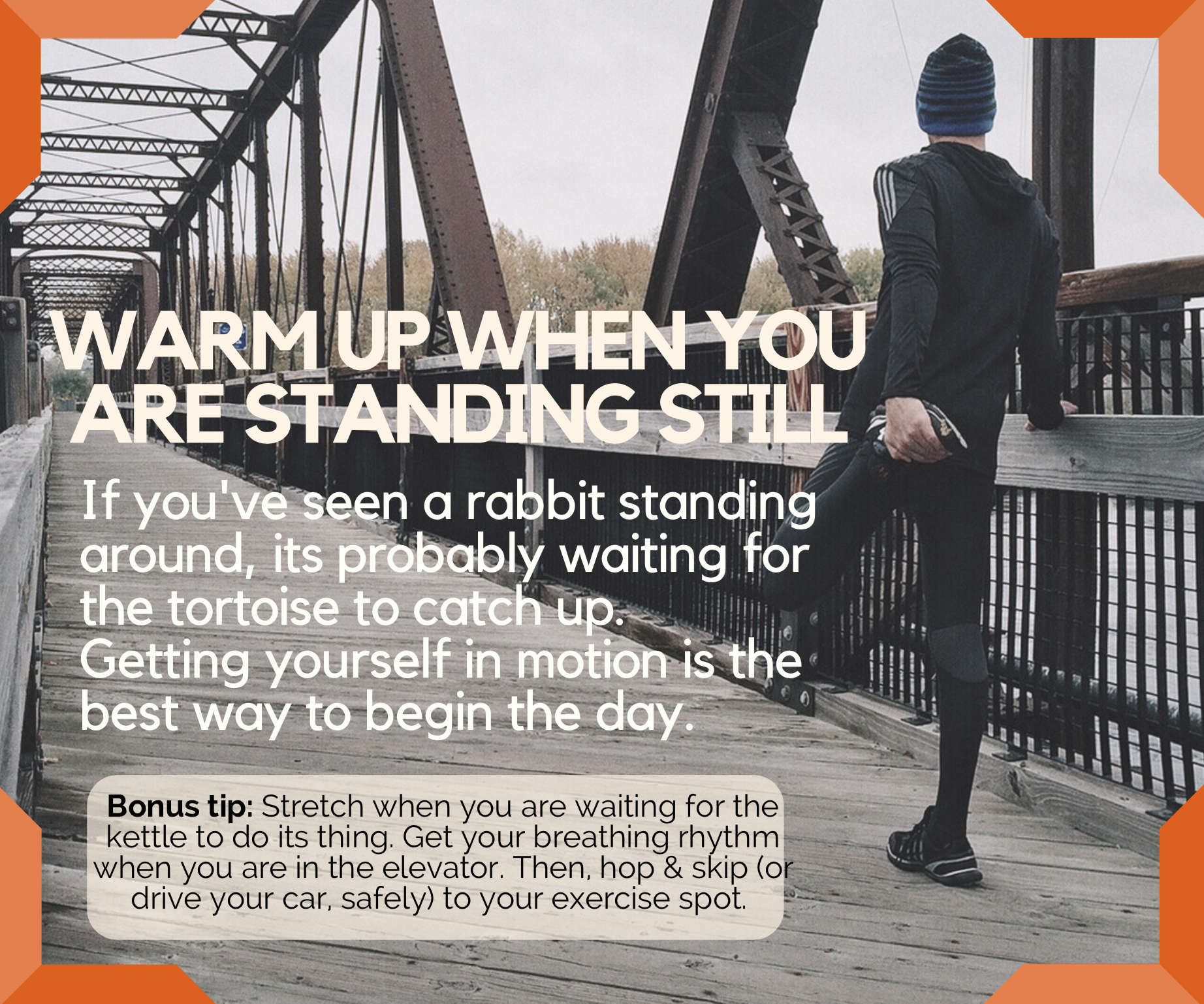
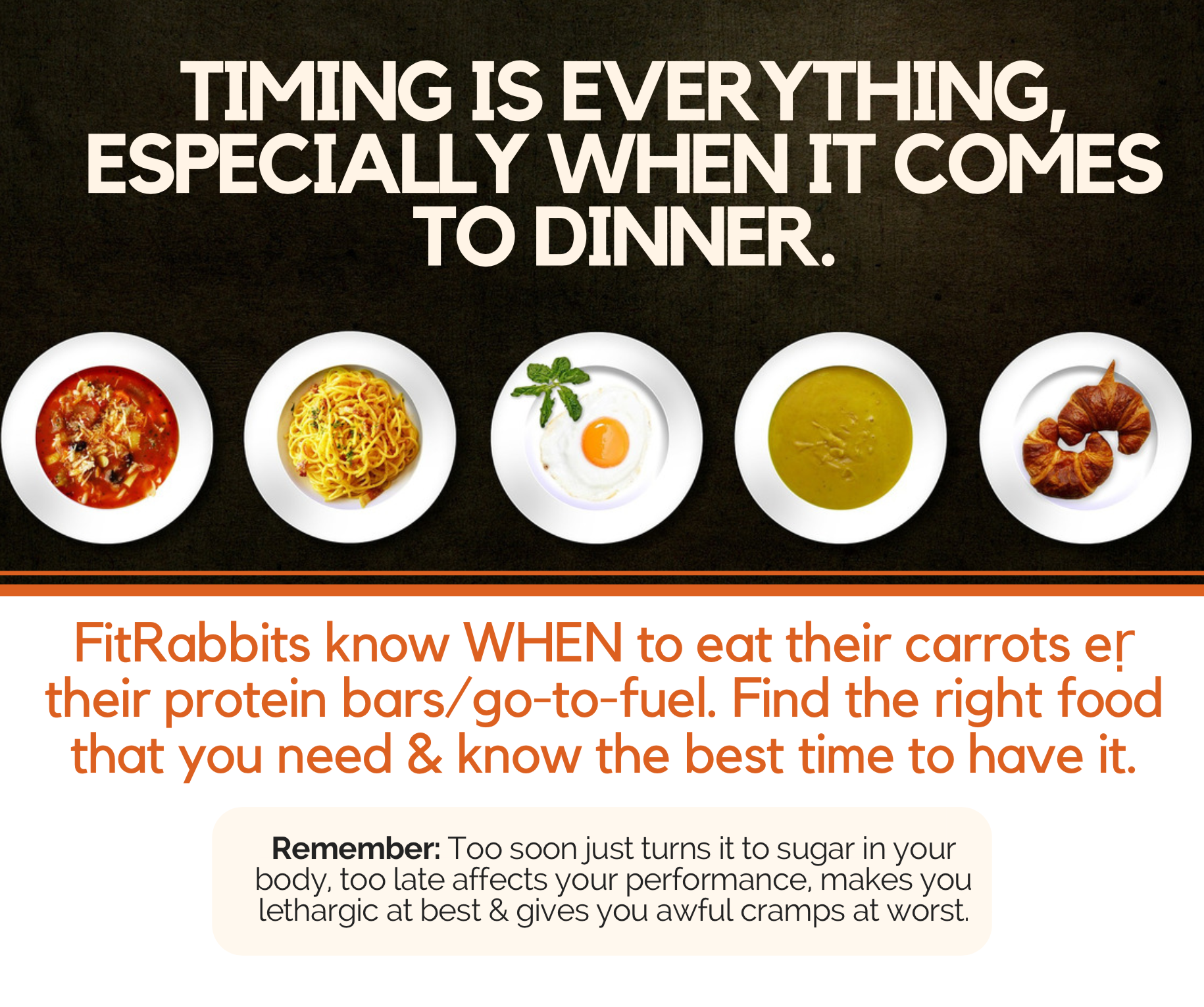
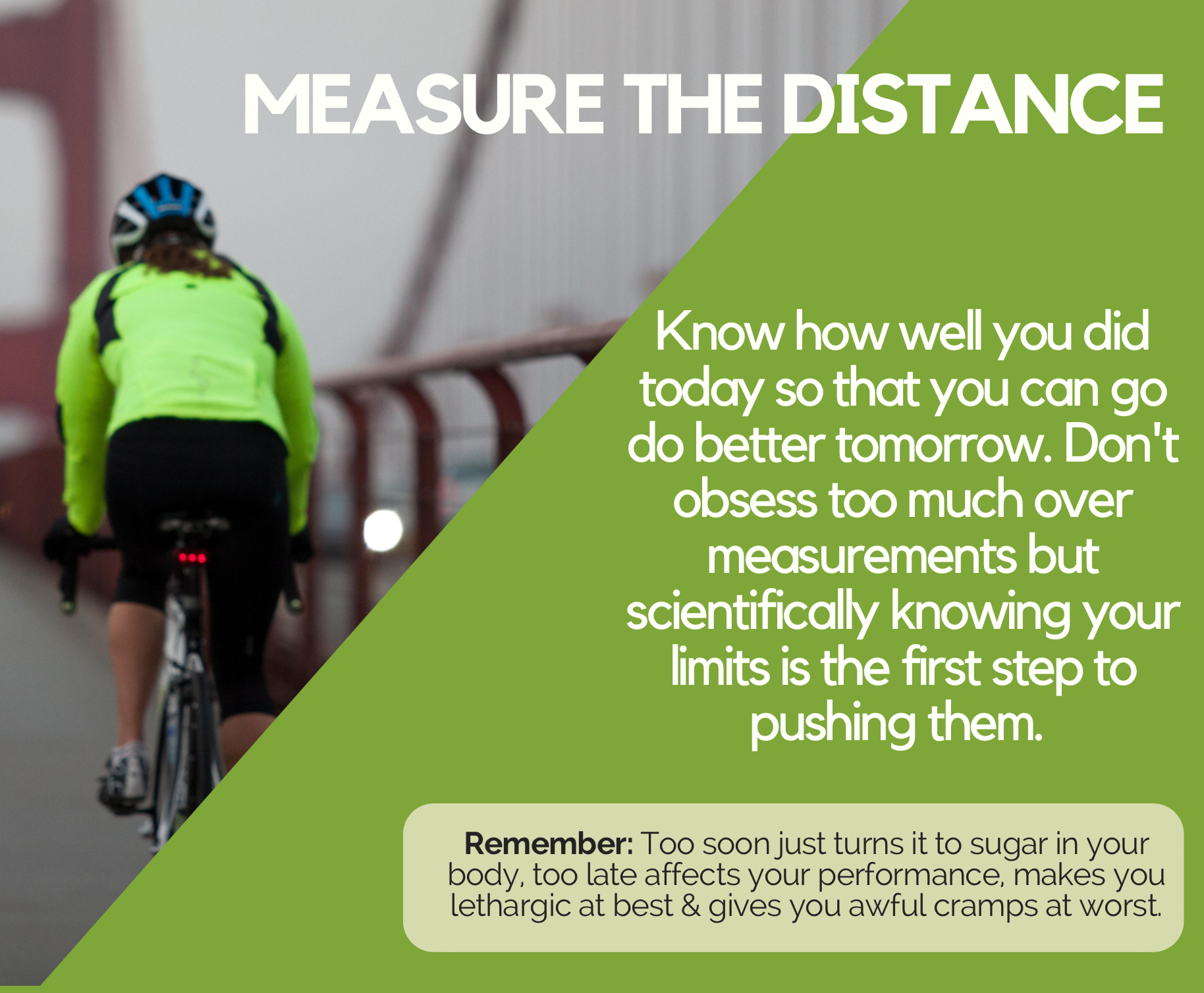

Enough of the excuses!
You, ALONE, can discover your fittest self.
So, get started!